How Rural Health Systems Use Televisit Vitals to Close Access Gaps
Rural health systems are leveraging televisit vitals to overcome geographic barriers, improve patient outcomes, and enhance clinical quality for remote populations.
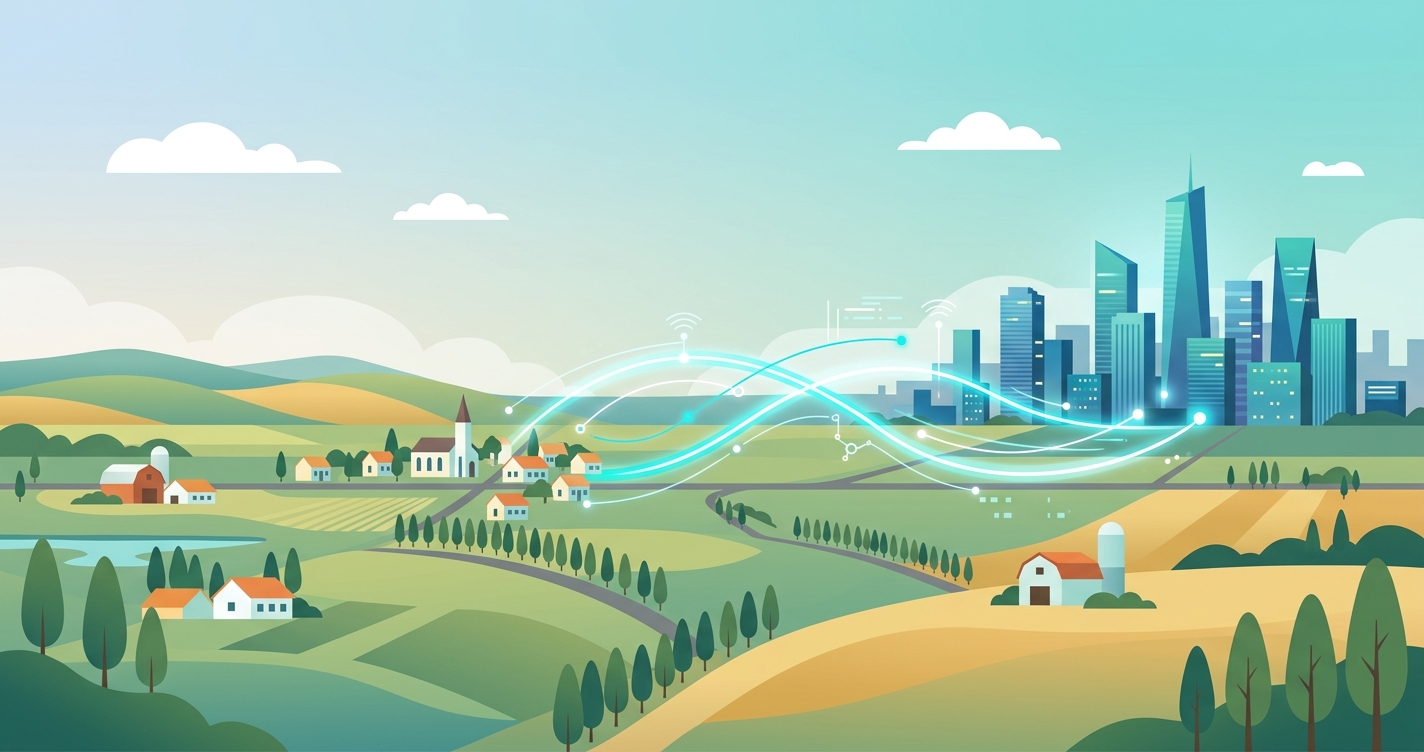
For rural health systems, virtual care is not just a patient convenience, it is a strategic necessity for closing critical access gaps. The challenge has evolved from simply connecting with patients via video to delivering clinically substantive encounters that can rival in-person care. The next frontier in this evolution is the integration of objective clinical data directly into the virtual visit. For provider organizations serving geographically dispersed populations, the ability to capture vital signs during a televisit represents a fundamental transformation in the quality and reach of care, moving from conversational telehealth to data-driven remote diagnostics.
"As of 2023, approximately 20% of the U.S. population resides in rural areas, but they are served by only 11% of the nation's physicians. This disparity highlights the critical need for technologies that can project clinical capabilities beyond the clinic walls." - National Rural Health Association (2023)
The clinical imperative for vitals in rural telehealth
The core challenge for rural health systems is distance. Patients may live hours from a primary care clinic, and even further from a specialist. This geographic barrier often leads to delayed or deferred care, which is particularly dangerous for patients with chronic conditions. While basic video-based telehealth helped bridge some of this gap, its clinical depth has been limited by a reliance on subjective patient reporting. The integration of rural health systems televisit vitals access transforms the encounter. By capturing measurements like heart rate, respiratory rate, and blood pressure through the patient's own device camera, clinicians gain an objective, real-time view of the patient's status. This capability is crucial in areas where over 80% of the landmass is designated as a primary care shortage area. The ability to gather objective data allows rural providers to manage a wider range of conditions remotely, make more confident clinical decisions, and triage patients more effectively, ensuring that only those who truly need in-person care have to make the journey.
| Feature | In-Person Rural Visit | Basic Televisit (Video-Only) | Televisit with Vitals Capture | | :--- | :--- | :--- | :--- | | Data Quality | Objective vitals | Subjective patient reporting | Objective, device-agnostic vitals | | Access Barrier | Significant travel time/cost | Low, requires broadband | Low, requires broadband | | Clinical Scope | Full diagnostic | Limited to visual/audio assessment | Expanded diagnostic, triage | | Patient Burden | High (time off work, travel) | Minimal | Minimal | | System Cost | High (maintaining facilities) | Low (platform subscription) | Moderate (platform + integration) | | Data Integration | Manual or wired entry to EHR | Manual clinician entry | Automated EHR integration |
Industry applications for rural health
The ability to capture vital signs during a virtual visit enables a range of high-value clinical applications that directly address the challenges of rural healthcare delivery.
Chronic care management
For patients managing conditions like hypertension, congestive heart failure, or COPD, regular monitoring is key. Televisit vitals allow clinicians to conduct regular check-ins with objective data, adjusting medication or care plans without requiring a long trip to the clinic. This consistent oversight helps prevent exacerbations and reduces the likelihood of costly emergency department visits and hospitalizations.
Post-Discharge Follow-Up
The transition from hospital to home is a vulnerable period for patients. Rural patients often face higher readmission rates due to a lack of follow-up care. Virtual visits with vitals capture allow care teams to monitor a patient's recovery, check for early signs of complications like infection (indicated by elevated heart and respiratory rates), and ensure adherence to the discharge plan, significantly improving rural health systems televisit vitals access to post-acute care.
Urgent care triage
When a rural patient experiences acute symptoms, it can be difficult to determine the severity and appropriate venue for care. Is a 90-minute drive to the emergency department necessary? A televisit equipped with vitals capture can provide the data needed for a more accurate triage decision. A nurse or provider can assess the patient's condition with objective data, potentially saving the patient an unnecessary trip or, conversely, identifying a true emergency that requires immediate action.
Current research and evidence
The evidence base supporting telehealth in rural communities is growing. A 2021 study by researchers at the University of Arkansas for Medical Sciences (UAMS) found that remote patient monitoring strategies were highly effective for reaching patients in rural areas, leading to better management of chronic diseases. Similarly, a report from the U.S. Department of Health and Human Services noted that telehealth utilization among rural Medicare beneficiaries increased at an annual growth rate of 28% in the decade leading up to the pandemic, primarily for mental health services, a field where objective physiological data like heart rate variability is becoming increasingly valuable.
The primary barrier identified in multiple studies, including a 2022 analysis published in the Journal of the American Medical Informatics Association, remains infrastructure, specifically the lack of reliable broadband in many rural areas. However, this challenge is being actively addressed by federal and state initiatives. As connectivity improves, the focus shifts to the clinical tools themselves. Technologies that use common patient devices, like a smartphone or laptop camera, for vitals capture are seen as more equitable and scalable in a rural context than solutions requiring patients to own and manage dedicated medical hardware.
The future of televisit vitals in rural health
Looking ahead, the integration of televisit vitals is set to become a standard component of rural healthcare delivery. As camera-based sensing technology becomes more sophisticated, the range of obtainable data will expand to include metrics like blood pressure variability, oxygen saturation, and even certain biomarkers. When combined with machine learning algorithms, this data can provide predictive insights, alerting clinicians to a patient's deteriorating condition before the patient is even aware of symptoms. For rural health systems, this means shifting from a reactive care model to a proactive, preventative one, even from hundreds of miles away. The future of rural health systems televisit vitals access lies in creating a "digital front door" that is not just a scheduling portal, but a true clinical access point.
Frequently asked questions
Q: What are the main barriers to implementing televisit vitals in a rural health system? A: The primary barriers are often infrastructural and operational, not technological. Securing reliable broadband connectivity for both clinics and patients is the first step. Operationally, it requires designing clinical workflows that integrate the data into the provider's decision-making process and ensuring proper training for both staff and patients on how to use the technology effectively.
Q: Does this technology require patients to have special equipment? A: No. Modern camera-based solutions use the patient's own smartphone, tablet, or computer camera to capture vital signs. This device-agnostic approach is critical for equitable access in rural areas where patients may not have the resources or digital literacy to manage dedicated medical peripherals.
Q: How does vital signs data from a televisit get into our EHR? A: Leading platforms for televisit vitals capture are designed with EHR integration in mind. The data is typically transmitted via secure APIs and can be configured to flow into the appropriate fields in the patient's chart in systems like Epic or Cerner, creating a seamless part of the clinical record.
As healthcare delivery continues to decentralize, the ability to capture meaningful, objective data from anywhere becomes a core competency for forward-thinking provider organizations. Circadify is at the forefront of this transformation, providing health systems with the tools to embed clinical-grade vital signs capture into their virtual care programs. To learn more about designing clinical workflows for rural populations and integrating this capability into your EHR, explore our solutions for telehealth at circadify.com/solutions/telehealth.