Will my urgent care video doctor know my oxygen level before it drops too low?
How virtual visits measure oxygen saturation through the camera, what the research shows, and what virtual care directors need to know about reliability.
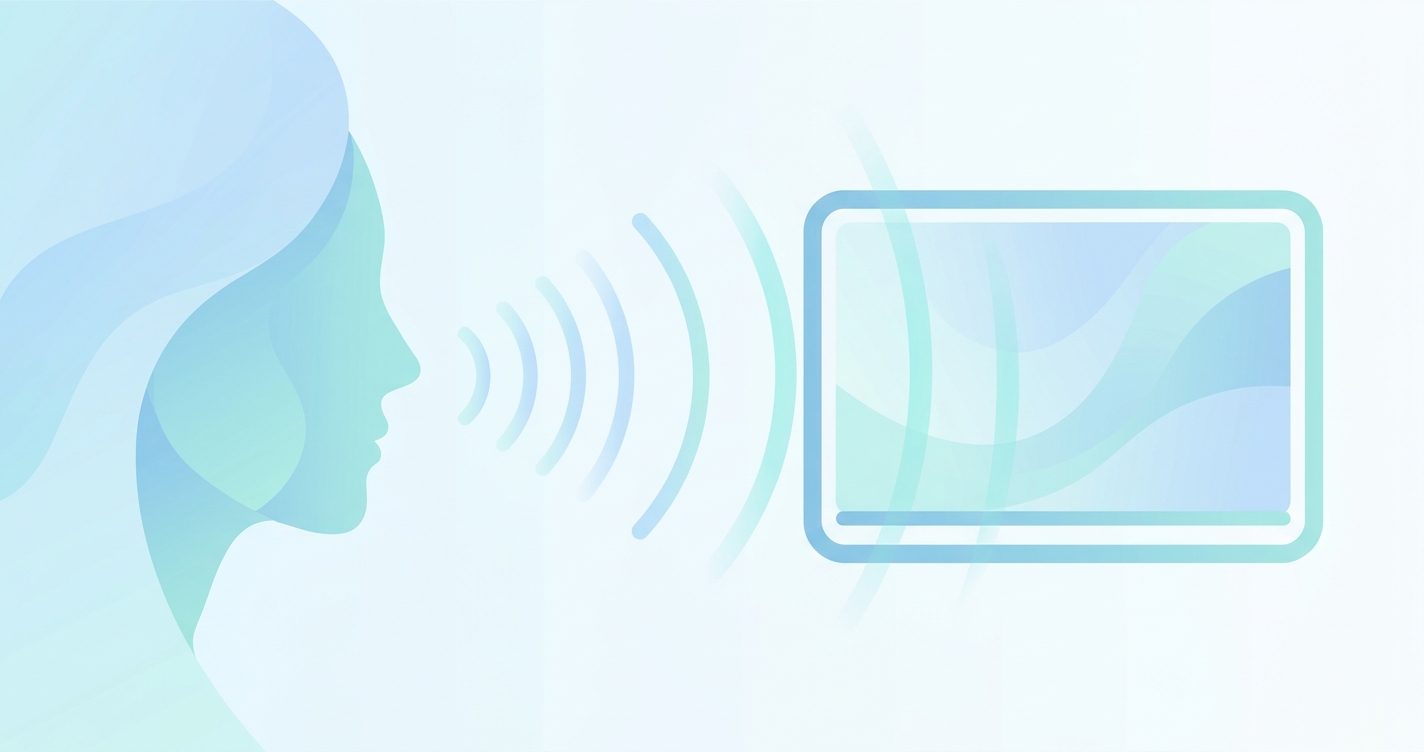
When a patient logs into an urgent care video visit short of breath, the most pressing clinical question is often invisible on screen: how much oxygen is actually in their blood. A video doctor oxygen level reading has historically been a gap in the virtual encounter, forcing clinicians to rely on patient self-report, visible signs of distress, or a referral to an in-person site. That gap is now closing. Camera-based measurement of oxygen saturation, built on remote photoplethysmography (rPPG), is moving from research labs into the design conversations of virtual care programs that want their providers to catch a falling SpO2 before it becomes an emergency.
A 2024 induced-hypoxemia study reported a mean absolute error of 1.274% and a root mean squared error of 1.71% for contactless SpO2 estimation across a 70 to 100% range, performance that falls inside the 4% accuracy threshold the FDA recommends for cleared pulse oximeters.
How a video doctor oxygen level reading actually works
Pulse oximetry depends on a simple optical fact: oxygenated and deoxygenated hemoglobin absorb light differently. A fingertip oximeter shines red and infrared light through tissue and reads the ratio. Camera-based methods chase the same signal without contact. The camera captures tiny color changes in the skin of the face as blood pulses through it, then a model extracts the pulsatile waveform and estimates the ratio-of-ratios that maps to oxygen saturation.
For a virtual care program director, the relevant point is that this is not a novelty filter laid over a video call. It is a measurement pipeline. The camera supplies raw pixel data, signal processing isolates the blood-volume pulse, and a calibrated model converts that into an SpO2 value that can be timestamped and routed into the chart. The same underlying rPPG signal that produces heart rate and respiratory rate is the foundation for the oxygen estimate, which is why oxygen capability tends to arrive alongside broader vitals capture rather than as a standalone feature.
The honest framing matters here. Oxygen saturation is one of the harder vitals to estimate from a camera. Heart rate is comparatively forgiving. SpO2 requires color fidelity, stable lighting, and careful handling of skin pigmentation, and the research community is explicit that performance is not uniform across every condition. Understanding where the technology is strong and where it needs guardrails is the core of responsible deployment.
| Measurement method | Contact required | Typical setting | Reported accuracy range | Continuous during visit | |---|---|---|---|---| | Hospital pulse oximeter | Yes (fingertip) | In-person clinical | Reference standard | Yes | | Home fingertip oximeter | Yes (fingertip) | Patient-owned device | Variable by device | Only if patient has one | | Smartphone contact camera | Yes (finger on lens) | Patient self-test | ~80% sensitivity for low SpO2 in early studies | No | | Contactless rPPG (facial video) | No | Standard video visit | MAE ~1.3 to 5% depending on conditions | Yes |
The strategic appeal of the last row is that it requires nothing from the patient beyond the device they already joined the visit on. No wearable to ship, no cuff to buy, no finger clip to locate during a 2 a.m. urgent care call.
What this changes for urgent care and triage
The clinical value of a passive oxygen reading is concentrated in exactly the moments virtual urgent care serves: respiratory complaints, post-COVID symptoms, exacerbations of asthma or COPD, and the broad category of patients who simply feel unwell and cannot say why.
- A reading captured early in the encounter gives the clinician an objective anchor instead of a guess based on how labored the patient sounds.
- Trending across a few minutes of a visit can reveal a downward drift that a single number would miss.
- A flagged low value supports faster, better-justified escalation to in-person or emergency care.
- A reassuring normal value can reduce unnecessary ER referrals and the patient anxiety that drives them.
For patients, the anxiety reduction is real and underappreciated. The fear behind the question in this article's title is the fear of silent deterioration. Giving the video doctor a credible oxygen signal converts that uncertainty into a measured value, which changes the emotional tenor of the visit as much as the clinical one.
Industry applications across the virtual care program
Urgent and on-demand care
This is the highest-yield use case. Respiratory presentations dominate after-hours virtual urgent care, and a contactless oxygen estimate lets a clinician separate the worried-but-stable patient from the one who needs to be seen now. It also documents the decision, which matters for both quality review and liability.
Chronic disease follow-up
COPD and heart failure programs live and die by early detection of decompensation. Embedding an oxygen reading into routine virtual follow-ups creates a longitudinal record without asking chronically ill patients to manage yet another home device.
Hospital-at-home and post-discharge monitoring
Programs discharging patients to home recovery need confidence that a remote check-in carries clinical weight. A camera-derived oxygen value during scheduled video touchpoints adds a vital sign that previously required mailed hardware and patient compliance.
Current research and evidence
The evidence base for contactless oxygen measurement has matured quickly. Work led by Edward Wang and colleagues, including Jason Hoffman and Varun Viswanath, demonstrated that smartphone cameras could detect blood oxygen down to 70%, the lowest value the FDA recommends testing, and identified low SpO2 below 90% with roughly 80% sensitivity in an early proof-of-concept published around 2022. That study used a contact method (finger on the lens), but it established that consumer camera hardware carries enough signal to detect clinically meaningful hypoxemia.
More recent contactless work has pushed accuracy further. The 2024 induced-hypoxemia research cited above, which deliberately lowered participants' oxygen across the 70 to 100% range and tested across varied skin types, reported a mean absolute error of 1.274% and root mean squared error of 1.71%, surpassing the 4% standard applied to approved pulse oximeters. Separate facial-video deep learning studies indexed in PubMed Central report comparable progress in estimating SpO2 without any contact at all.
Two cautions run through this literature consistently. First, skin pigmentation affects performance, and several research groups document reduced accuracy for darker skin types, the same equity concern that has dogged conventional contact oximetry. Second, motion and ambient lighting degrade the signal. The current rPPG review on medRxiv frames these as the central engineering challenges, not solved problems. Any program adopting this capability should treat skin-tone validation and lighting guidance as deployment requirements, not optional refinements.
The future of contactless oxygen measurement in virtual care
The trajectory points toward oxygen becoming a standard field in the virtual vitals panel rather than a specialty add-on. Three developments will shape how fast that happens. Normalization techniques that stabilize estimates across users and lighting are improving generalization, which is the gap between a controlled study and a chaotic home video call. Regulatory pathways are clarifying as more camera-based vitals seek clearance, which will give health systems the documentation their governance committees demand. And EHR integration is standardizing, so a captured oxygen value can flow into the chart with the same provenance and audit trail as a value typed by a medical assistant.
The realistic near-term posture is screening and triage support rather than diagnostic replacement. A contactless oxygen reading is most defensible as an early-warning and decision-support signal that prompts confirmation when it matters, which is precisely what an urgent care video clinician needs to avoid missing a deteriorating patient.
Frequently asked questions
Can a video doctor really measure my oxygen level through the camera? Yes, in a growing number of programs. Camera-based rPPG extracts the same blood-volume pulse that a fingertip oximeter reads, and recent studies show accuracy that can fall within the 4% range used for approved oximeters under good conditions. Availability depends on whether your provider has deployed the capability, and clinicians use the reading as a screening signal alongside their overall assessment.
Is a camera oxygen reading as accurate as a finger clip? Under controlled conditions, recent contactless studies report errors close to or better than the 4% standard for cleared devices. In real-world settings, accuracy depends on lighting, patient stillness, and skin tone. For that reason clinicians treat it as a strong triage and trend indicator and confirm with a contact device when a reading is borderline or the clinical stakes are high.
Will it catch a dangerous drop before I feel it? That is the core value. Hypoxemia can develop before symptoms become obvious, and an objective reading during the visit gives the clinician evidence to escalate earlier than self-report alone would allow. It is a safety net layered onto clinical judgment, not a guarantee.
Does skin tone affect the reading? It can. Research groups consistently note reduced accuracy for darker skin types, the same equity issue documented in conventional oximetry. Responsible programs validate performance across skin tones and set guardrails accordingly before relying on the measurement.
Circadify is building toward this future by capturing clinical-grade vital signs, including oxygen-related measures, directly inside the virtual visit with no patient wearables and EHR-integrated results. Virtual care leaders evaluating how to add oxygen and other vitals to their programs can explore the clinical workflows and request a health system demo at circadify.com/solutions/telehealth.